Best Tips for Successful Distance Learning
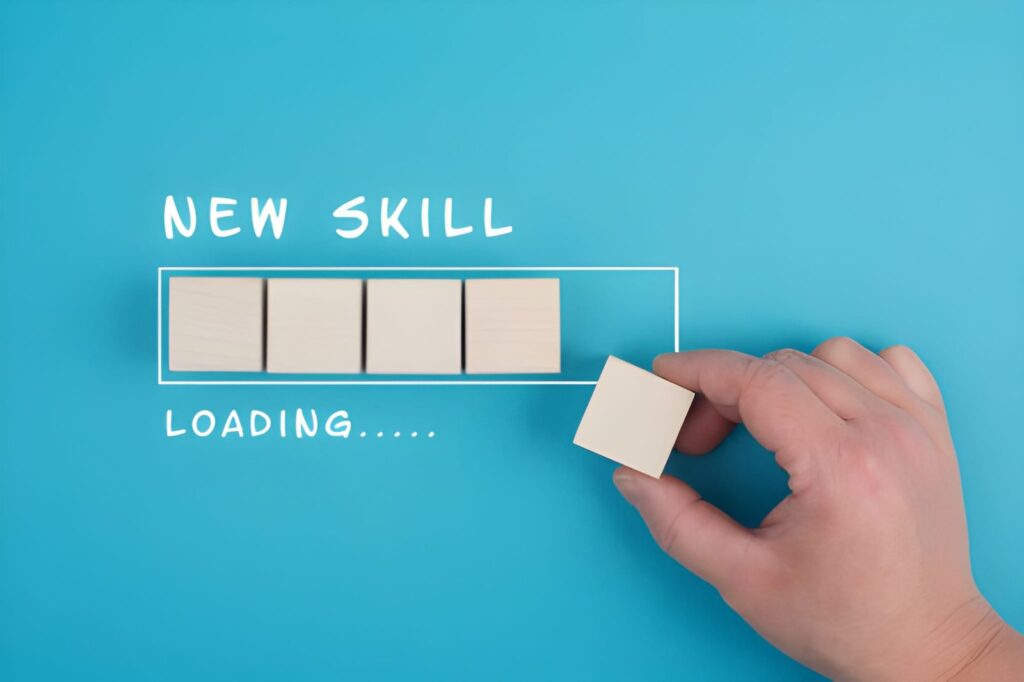
King88 has become a popular and flexible way for students, professionals, and lifelong learners to gain new skills from anywhere in the world. Whether you are taking online classes, completing a degree program, or joining virtual training sessions, learning remotely requires discipline, organization, and the right strategies. Unlike traditional classrooms, distance learning gives you more control over your schedule, but it also demands greater responsibility.
If you want to stay focused, motivated, and successful in your online education, the following tips for successful distance learning can help you make the most of your experience.
1. Create a Dedicated Study Space
One of the most important distance learning tips is to create a specific place for studying. Your learning environment has a big impact on your concentration and productivity. Choose a quiet, comfortable area where you can attend virtual classes, complete assignments, and review course materials without distractions.
Your study space does not need to be large or expensive. A small desk, a comfortable chair, good lighting, and a reliable internet connection are enough to get started. Keep your learning materials, notebooks, chargers, and headphones nearby so you do not waste time searching for them during class.
Avoid studying in bed or in places where you usually relax. A dedicated study space helps your brain understand that it is time to focus and learn.
2. Build a Consistent Study Schedule
Successful distance learning depends heavily on time management. Since online learning often offers flexibility, it can be easy to delay lessons or assignments. To avoid falling behind, create a regular study schedule and stick to it.
Start by reviewing your course syllabus and noting important deadlines, exams, live sessions, and project due dates. Use a digital calendar, planner, or task management app to organize your week. Set aside specific blocks of time for watching lectures, reading, taking notes, and completing homework.
Try to study at the same time each day. A consistent routine builds discipline and makes online education feel more structured. Remember to include short breaks to prevent burnout and improve focus.
3. Set Clear Learning Goals
Setting goals is essential for staying motivated during distance learning. Before beginning a course, ask yourself what you want to achieve. Do you want to earn a certificate, improve your career skills, prepare for an exam, or simply learn something new?
Break larger goals into smaller, manageable steps. For example, instead of saying, “I want to finish this course,” set weekly goals such as “complete two modules,” “submit one assignment,” or “review notes for 30 minutes each day.”
Clear goals give you direction and help you measure your progress. When you reach each milestone, you will feel more confident and motivated to continue.
4. Minimize Distractions
Distractions are one of the biggest challenges of online learning. Social media, household chores, television, phone notifications, and family interruptions can make it difficult to stay focused.
Before starting a study session, silence your phone or use focus mode. Close unnecessary browser tabs and log out of social media accounts. If you live with others, let them know your study schedule so they can avoid interrupting you.
You can also use productivity techniques such as the Pomodoro Technique, which involves studying for 25 minutes and then taking a 5-minute break. This method helps maintain concentration while giving your brain time to rest.
5. Participate Actively in Online Classes
Distance learning does not mean learning alone. Many online courses include discussion boards, group projects, live video sessions, and chat features. Active participation helps you understand the material better and feel more connected to your classmates and instructors.
Ask questions when you do not understand something. Join online discussions and share your thoughts. Respond to classmates respectfully and take part in group activities. The more involved you are, the more valuable your online learning experience will be.
Participation also helps instructors recognize your effort and may improve your performance in the course.
6. Take Effective Notes
Good note-taking is another key to successful distance learning. During online lectures or while reading digital materials, write down important concepts, examples, definitions, and questions. Taking notes helps you stay engaged and remember information more easily.
You can use traditional notebooks, digital note-taking apps, or documents on your computer. Organize your notes by topic or module so you can find information quickly when studying for tests or completing assignments.
After each class, spend a few minutes reviewing and summarizing your notes. This simple habit strengthens your understanding and improves long-term memory.
7. Communicate with Instructors
In online education, communication is extremely important. Since you are not meeting your teachers face-to-face every day, you need to take the initiative when you need help.
If you are confused about an assignment, deadline, or lesson, contact your instructor as soon as possible. Use email, course messaging systems, or virtual office hours. Be polite, clear, and specific in your questions.
Regular communication can prevent small problems from becoming major obstacles. It also shows that you are serious about your studies.
8. Stay Organized with Digital Tools
Technology plays a major role in distance learning. Using the right digital tools can help you stay organized and productive. Learning management systems, cloud storage, calendar apps, reminder tools, and online collaboration platforms can make studying easier.
Save your files in clearly labeled folders. Back up important assignments to cloud storage to avoid losing your work. Set reminders for deadlines and upcoming exams. If your course uses a specific platform, take time to learn how it works at the beginning.
Being organized reduces stress and allows you to focus more on learning.
9. Practice Self-Care and Avoid Burnout
Đăng ký King88 learning success is not only about studying hard. It is also about maintaining your health and well-being. Sitting in front of a screen for long periods can be tiring, so remember to take care of yourself.
Get enough sleep, eat healthy meals, drink water, and exercise regularly. Take breaks away from your screen and spend time outdoors when possible. Stretch your body and rest your eyes during long study sessions.
A healthy mind and body improve concentration, memory, and motivation. When you feel good, you learn better.
10. Stay Motivated and Positive
Online learning can sometimes feel lonely or challenging, especially when you face difficult lessons or technical problems. Staying positive is an important part of success.
Remind yourself why you started. Celebrate small achievements, such as finishing a module or receiving good feedback. Connect with classmates for support and encouragement. If you feel discouraged, take a short break and return with a fresh mindset.
Distance learning is a skill that improves with practice. The more you build good habits, the easier it becomes.
Conclusion
Successful distance learning requires planning, discipline, communication, and motivation. By creating a dedicated study space, following a consistent schedule, setting clear goals, reducing distractions, and actively participating in online classes, you can improve your learning experience and achieve your academic or professional goals.
Online education offers incredible flexibility and opportunity, but your success depends on how you manage your time and effort. Use these distance learning tips to stay organized, focused, and confident throughout your journey. With the right approach, distance learning can be both effective and rewarding.