Precision Agriculture Using Modern Technology
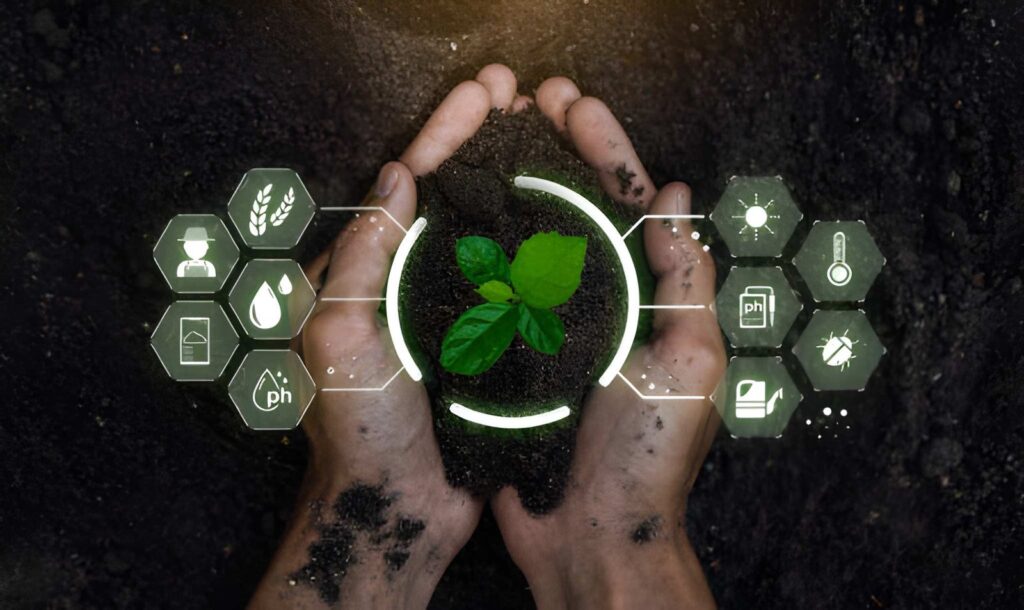
Precision agriculture using modern TG88 technology is transforming the way farmers grow crops, manage resources, and improve productivity. As global food demand rises and climate conditions become more unpredictable, farmers need smarter tools to make better decisions. Precision agriculture, also known as smart farming, uses digital technologies such as GPS, drones, sensors, artificial intelligence, satellite imagery, and data analytics to optimize farm operations.
Instead of treating an entire field the same way, precision agriculture allows farmers to understand the exact needs of specific areas. This helps reduce waste, increase yields, lower costs, and protect the environment.
What Is Precision Agriculture?
Precision agriculture is a modern farming approach that uses technology and data to improve accuracy in agricultural practices. Traditional farming often relies on general observations and uniform application of water, fertilizers, and pesticides. In contrast, precision farming collects real-time data from fields and uses that information to make targeted decisions.
For example, one part of a field may need more irrigation, while another may require additional nutrients. With precision agriculture technology, farmers can identify these differences and respond accordingly. This results in more efficient farming and better crop performance.
Key Technologies Used in Precision Agriculture
Modern technology plays a central role in precision agriculture. Several tools and systems work together to collect, analyze, and apply data in the field.
GPS and GIS Mapping
Global Positioning System (GPS) technology allows farmers to map their fields with high accuracy. Geographic Information Systems (GIS) help organize and analyze spatial data, including soil types, crop health, elevation, and drainage patterns.
With GPS-guided equipment, tractors and harvesters can operate with minimal overlap, reducing fuel use and saving time. Farmers can also create field maps that guide planting, spraying, and harvesting activities.
Drones and Aerial Imaging
Drones are widely used in precision agriculture because they provide fast and detailed views of farmland. Equipped with high-resolution cameras and multispectral sensors, drones can monitor crop health, detect pest infestations, identify irrigation problems, and assess plant growth.
Aerial imaging helps farmers spot issues early before they spread across the field. This early detection can prevent crop losses and reduce the need for excessive chemical treatments.
Soil and Crop Sensors
Sensors are essential for collecting real-time information about soil moisture, temperature, nutrient levels, and crop conditions. Soil sensors help farmers know when and how much to irrigate, while crop sensors can measure plant health and growth stages.
By using sensors, farmers can avoid overwatering and over-fertilizing. This improves resource efficiency and supports sustainable agriculture.
Artificial Intelligence and Data Analytics
Artificial intelligence (AI) and data analytics help turn farm data into useful insights. AI systems can analyze information from drones, satellites, sensors, and machinery to predict crop yields, identify diseases, and recommend farming actions.
For example, AI-powered software can suggest the best time to plant, irrigate, or harvest based on weather forecasts and soil conditions. Data-driven decisions help farmers improve accuracy and reduce risks.
Automated Machinery and Robotics
Modern farms are increasingly using automated tractors, robotic harvesters, and smart irrigation systems. These machines can perform tasks with high precision and limited human intervention.
Autonomous equipment reduces labor pressure and improves operational efficiency. In some cases, robots can remove weeds, plant seeds, or pick fruits more accurately than traditional methods.
Benefits of Precision Agriculture
Precision agriculture using modern technology offers many benefits for farmers, consumers, and the environment.
Higher Crop Yields
One of the main advantages of precision agriculture is improved crop yield. By monitoring field conditions closely and applying inputs only where needed, farmers can create better growing conditions for crops. Healthier plants usually produce higher-quality harvests.
Reduced Farming Costs
Precision farming reduces unnecessary use of seeds, water, fertilizers, pesticides, and fuel. Targeted applications mean farmers spend less on inputs while maintaining or increasing productivity. Over time, this can significantly improve farm profitability.
Better Resource Management
Water and soil are two of the most valuable resources in agriculture. Precision irrigation systems help farmers use water efficiently, especially in regions facing drought or water shortages. Soil monitoring helps prevent nutrient depletion and supports long-term soil health.
Environmental Protection
Sustainable farming is becoming increasingly important. Precision agriculture helps reduce chemical runoff, greenhouse gas emissions, and soil degradation. By applying fertilizers and pesticides only where necessary, farmers can minimize environmental impact while still protecting crops.
Improved Decision-Making
Data-based farming gives farmers a clearer understanding of their fields. Instead of relying only on experience or guesswork, they can make decisions supported by accurate information. This leads to better planning and more consistent results.
Challenges of Precision Agriculture
Although precision agriculture has many advantages, there are also challenges. The initial cost of equipment, software, drones, and sensors can be high, especially for small farms. Farmers may also need training to understand and use digital tools effectively.
Another challenge is data management. Precision farming systems generate large amounts of information, and farmers must know how to interpret it. Reliable internet access is also necessary for many smart farming technologies, which can be difficult in rural areas.
However, as technology becomes more affordable and accessible, more farmers are expected to adopt precision agriculture practices.
The Future of Precision Agriculture
The future of farming will be increasingly digital, automated, and data-driven. Advances in artificial intelligence, machine learning, satellite monitoring, and robotics will continue to improve precision agriculture systems.
In the coming years, farmers may use fully connected farm platforms that integrate weather data, soil information, crop monitoring, and machinery operations into one system. This will make farming more efficient, predictable, and sustainable.
Precision agriculture will also play an important role in global food security. By producing more food with fewer resources, modern farming technology can help feed a growing population while reducing pressure on the environment.
Conclusion
Precision agriculture using modern technology is revolutionizing the agricultural industry. By combining GPS, drones, sensors, AI, data analytics, and automated machinery, farmers can manage their fields with greater accuracy and efficiency.
This smart farming approach increases crop yields, reduces costs, conserves resources, and supports environmental sustainability. While there are challenges such as cost and technical Rút tiền TG88 knowledge, the long-term benefits are clear. Precision agriculture is not just the future of farming—it is already shaping a more productive and sustainable agricultural world today.