UFAM Blog

Sample Page

Author: admin

  • Understanding the Modern World

    Understanding the Modern World

    The modern world is constantly changing, shaped by technology, innovation, social developments, and new ways of thinking. Understanding this changing environment has become an important part of personal growth and success. People today live in a connected world where information moves quickly, new ideas emerge regularly , and global events can influence everyday life.

    To navigate this complex world, individuals need awareness, curiosity, and a willingness to learn. Understanding the modern world is not only about knowing current events; it is about recognizing changes, adapting to new situations, and developing the ability to make thoughtful decisions.

    The Impact of Technology on Modern Life

    Technology is one of the biggest forces shaping the modern world. From smartphones and artificial intelligence to digital communication and online services, technology has transformed the way people work, learn, and interact.

    Modern technology has made life more convenient by providing quick access to information and improving communication across the globe. People can connect with others instantly, learn new skills online, and access resources that were once difficult to find.

    However, understanding technology also requires responsibility. As digital tools become a larger part of everyday life, people need to develop digital awareness and learn how to use technology safely and effectively. Knowing how to evaluate information and protect personal privacy has become an important skill in the modern age.

    The Importance of Global Awareness

    The modern world is more connected than ever before. Events happening in one part of the world can influence people, businesses, and communities in another. Global awareness helps individuals understand different cultures, economies, and social issues.

    Learning about other societies encourages respect and cooperation. It helps people recognize that different communities may have unique traditions, challenges, and perspectives. This understanding creates a more connected and peaceful world where people can work together toward common goals.

    Adapting to Rapid Changes

    Change is a natural part of modern life. New technologies, changing industries, and evolving social patterns require people to become adaptable. Those who are willing to learn and adjust are better prepared to handle uncertainty.

    Adaptability is developed through continuous learning and open-mindedness. Instead of fearing change, individuals can view it as an opportunity for growth. By developing new skills and staying informed, people can remain confident in a world that continues to evolve.

    The Role of Education and Knowledge

    Education plays a major role in helping people understand the modern world. It provides the knowledge and skills needed to analyze information, solve problems, and make informed decisions.

    Beyond traditional education, lifelong learning has become increasingly important. People must continue developing their knowledge to keep up with new developments. Learning through experiences, online resources, and personal exploration helps individuals stay prepared for future challenges.

    Understanding Social and Cultural Changes

    The modern world is also experiencing significant social and cultural changes. People are becoming more connected through communication platforms, travel, and global interactions. Understanding these changes helps individuals build stronger relationships and appreciate different viewpoints.

    Respect and empathy are essential qualities in a diverse world. When people take time to understand different experiences and perspectives, they can create more inclusive communities and reduce misunderstandings.

    The Importance of Critical Thinking

    With the large amount of information available today, critical thinking has become more valuable than ever. Not all information is accurate, and people must learn how to identify trustworthy sources and analyze ideas carefully.

    Critical thinking allows individuals to make decisions based on facts rather than assumptions. It encourages curiosity, questioning, and deeper understanding. These skills help people become more responsible and informed members of society.

    Preparing for the Future

    Understanding the modern world also means preparing for what comes next. Future challenges will require creativity, problem-solving, and cooperation. Individuals who continue learning and developing their abilities will be better equipped to face new opportunities.

    Young generations especially need encouragement to explore, innovate, and think independently. By building knowledge and awareness, they can become leaders who contribute to positive changes in society.

    Conclusion

    Understanding the modern world is an ongoing journey that requires curiosity, awareness, and continuous learning. Technology, global connections, and social changes have created new opportunities and challenges that require people to stay informed and adaptable.

    By developing knowledge, practicing critical thinking, and respecting different perspectives, individuals can better navigate the complexities of modern life. A deeper understanding of the world allows people to make smarter choices, build stronger connections, and contribute to a brighter future. The ability to learn and adapt is one of the most powerful skills for succeeding in today’s changing world.
  • Precision Agriculture Using Modern Technology

    Precision Agriculture Using Modern Technology

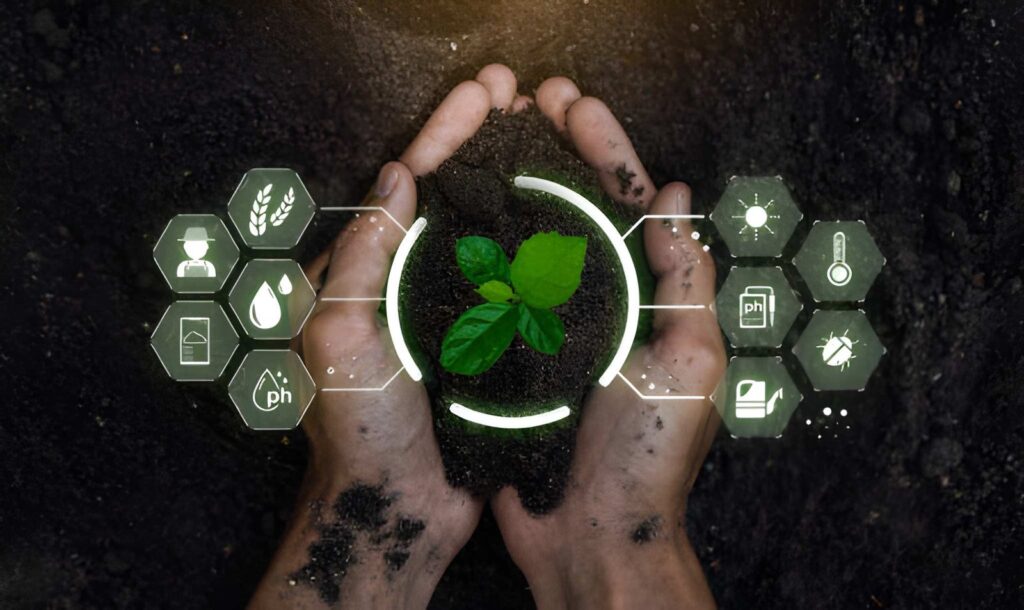
    Precision agriculture using modern TG88 technology is transforming the way farmers grow crops, manage resources, and improve productivity. As global food demand rises and climate conditions become more unpredictable, farmers need smarter tools to make better decisions. Precision agriculture, also known as smart farming, uses digital technologies such as GPS, drones, sensors, artificial intelligence, satellite imagery, and data analytics to optimize farm operations.

    Instead of treating an entire field the same way, precision agriculture allows farmers to understand the exact needs of specific areas. This helps reduce waste, increase yields, lower costs, and protect the environment.

    What Is Precision Agriculture?

    Precision agriculture is a modern farming approach that uses  technology and data to improve accuracy in agricultural practices. Traditional farming often relies on general observations and uniform application of water, fertilizers, and pesticides. In contrast, precision farming collects real-time data from fields and uses that information to make targeted decisions.

    For example, one part of a field may need more irrigation, while another may require additional nutrients. With precision agriculture technology, farmers can identify these differences and respond accordingly. This results in more efficient farming and better crop performance.

    Key Technologies Used in Precision Agriculture

    Modern technology plays a central role in precision agriculture. Several tools and systems work together to collect, analyze, and apply data in the field.

    GPS and GIS Mapping

    Global Positioning System (GPS) technology allows farmers to map their fields with high accuracy. Geographic Information Systems (GIS) help organize and analyze spatial data, including soil types, crop health, elevation, and drainage patterns.

    With GPS-guided equipment, tractors and harvesters can operate with minimal overlap, reducing fuel use and saving time. Farmers can also create field maps that guide planting, spraying, and harvesting activities.

    Drones and Aerial Imaging

    Drones are widely used in precision agriculture because they provide fast and detailed views of farmland. Equipped with high-resolution cameras and multispectral sensors, drones can monitor crop health, detect pest infestations, identify irrigation problems, and assess plant growth.

    Aerial imaging helps farmers spot issues early before they spread across the field. This early detection can prevent crop losses and reduce the need for excessive chemical treatments.

    Soil and Crop Sensors

    Sensors are essential for collecting real-time information about soil moisture, temperature, nutrient levels, and crop conditions. Soil sensors help farmers know when and how much to irrigate, while crop sensors can measure plant health and growth stages.

    By using sensors, farmers can avoid overwatering and over-fertilizing. This improves resource efficiency and supports sustainable agriculture.

    Artificial Intelligence and Data Analytics

    Artificial intelligence (AI) and data analytics help turn farm data into useful insights. AI systems can analyze information from drones, satellites, sensors, and machinery to predict crop yields, identify diseases, and recommend farming actions.

    For example, AI-powered software can suggest the best time to plant, irrigate, or harvest based on weather forecasts and soil conditions. Data-driven decisions help farmers improve accuracy and reduce risks.

    Automated Machinery and Robotics

    Modern farms are increasingly using automated tractors, robotic harvesters, and smart irrigation systems. These machines can perform tasks with high precision and limited human intervention.

    Autonomous equipment reduces labor pressure and improves operational efficiency. In some cases, robots can remove weeds, plant seeds, or pick fruits more accurately than traditional methods.

    Benefits of Precision Agriculture

    Precision agriculture using modern technology offers many benefits for farmers, consumers, and the environment.

    Higher Crop Yields

    One of the main advantages of precision agriculture is improved crop yield. By monitoring field conditions closely and applying inputs only where needed, farmers can create better growing conditions for crops. Healthier plants usually produce higher-quality harvests.

    Reduced Farming Costs

    Precision farming reduces unnecessary use of seeds, water, fertilizers, pesticides, and fuel. Targeted applications mean farmers spend less on inputs while maintaining or increasing productivity. Over time, this can significantly improve farm profitability.

    Better Resource Management

    Water and soil are two of the most valuable resources in agriculture. Precision irrigation systems help farmers use water efficiently, especially in regions facing drought or water shortages. Soil monitoring helps prevent nutrient depletion and supports long-term soil health.

    Environmental Protection

    Sustainable farming is becoming increasingly important. Precision agriculture helps reduce chemical runoff, greenhouse gas emissions, and soil degradation. By applying fertilizers and pesticides only where necessary, farmers can minimize environmental impact while still protecting crops.

    Improved Decision-Making

    Data-based farming gives farmers a clearer understanding of their fields. Instead of relying only on experience or guesswork, they can make decisions supported by accurate information. This leads to better planning and more consistent results.

    Challenges of Precision Agriculture

    Although precision agriculture has many advantages, there are also challenges. The initial cost of equipment, software, drones, and sensors can be high, especially for small farms. Farmers may also need training to understand and use digital tools effectively.

    Another challenge is data management. Precision farming systems generate large amounts of information, and farmers must know how to interpret it. Reliable internet access is also necessary for many smart farming technologies, which can be difficult in rural areas.

    However, as technology becomes more affordable and accessible, more farmers are expected to adopt precision agriculture practices.

    The Future of Precision Agriculture

    The future of farming will be increasingly digital, automated, and data-driven. Advances in artificial intelligence, machine learning, satellite monitoring, and robotics will continue to improve precision agriculture systems.

    In the coming years, farmers may use fully connected farm platforms that integrate weather data, soil information, crop monitoring, and machinery operations into one system. This will make farming more efficient, predictable, and sustainable.

    Precision agriculture will also play an important role in global food security. By producing more food with fewer resources, modern farming technology can help feed a growing population while reducing pressure on the environment.

    Conclusion

    Precision agriculture using modern technology is revolutionizing the agricultural industry. By combining GPS, drones, sensors, AI, data analytics, and automated machinery, farmers can manage their fields with greater accuracy and efficiency.

    This smart farming approach increases crop yields, reduces costs, conserves resources, and supports environmental sustainability. While there are challenges such as cost and technical Rút tiền TG88 knowledge, the long-term benefits are clear. Precision agriculture is not just the future of farming—it is already shaping a more productive and sustainable agricultural world today.

  • How to Build a Positive Learning Mindset

    How to Build a Positive Learning Mindset

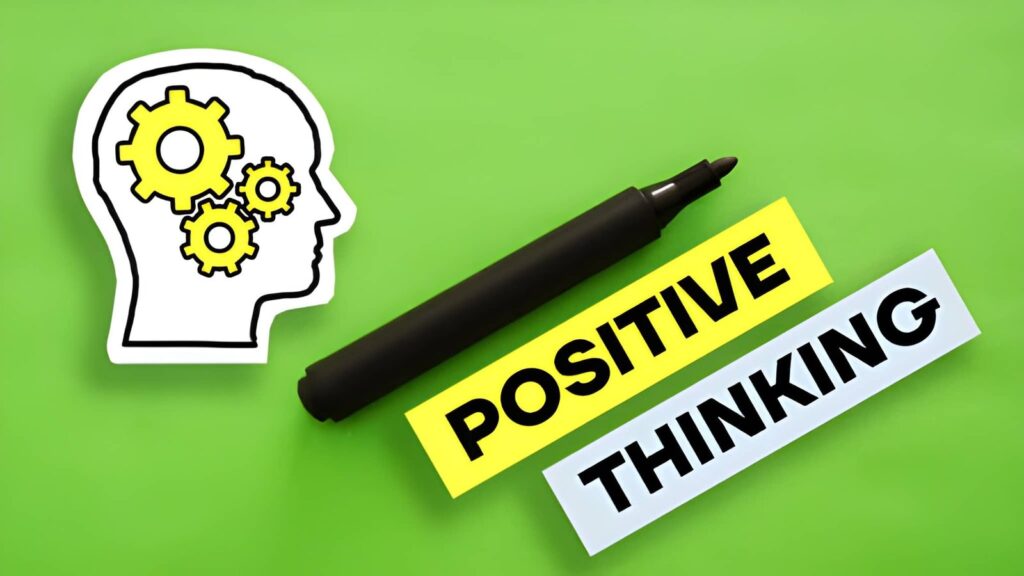
    A positive learning mindset is one of the most valuable tools you can develop in school, work, and everyday life. It helps you stay motivated, overcome challenges, and continue Hubet growing even when things feel difficult. Whether you are learning a new language, improving your career skills, studying for exams, or trying a new hobby, your mindset can strongly influence your success.

    Building a positive learning mindset does not mean you must always feel confident or never make mistakes. Instead, it means believing that you can improve through effort, practice, feedback, and patience. With the right habits and attitude, anyone can become a more effective and confident learner.

    What Is a Positive Learning Mindset?

    A positive learning mindset is the belief that learning is a process and that your abilities can grow over time. People with this mindset understand that intelligence and talent are not fixed. They see challenges as opportunities to improve rather than as signs of failure.

    This idea is closely connected to the “growth mindset,” a concept popularized by psychologist Carol Dweck. A growth mindset encourages learners to focus on progress instead of perfection. When you believe you can get better, you are more likely to keep trying, ask questions, and learn from mistakes.

    Why a Positive Learning Mindset Matters

    Your mindset affects how you respond to difficulty. If you believe you are “bad” at something, you may give up quickly. But if you believe skills can be developed, you are more likely to keep practicing until you improve.

    A positive learning mindset can help you:

    – Stay motivated during difficult tasks

    – Reduce fear of failure

    – Improve problem-solving skills

    – Build confidence over time

    – Accept feedback more easily

    – Develop lifelong learning habits

    In today’s fast-changing world, the ability to keep learning is essential. Technology, workplaces, and industries are constantly evolving. A positive attitude toward learning helps you adapt and succeed.

    Set Clear and Realistic Learning Goals

    One of the best ways to build a positive learning mindset is to set clear goals. Without goals, learning can feel confusing or overwhelming. A goal gives you direction and helps you measure progress.

    Start by asking yourself what you want to learn and why it matters. For example, instead of saying, “I want to get better at writing,” you could say, “I want to write one clear blog post every week for the next two months.” This goal is specific and realistic.

    Break large goals into smaller steps. Small wins build confidence and keep you motivated. When you complete one step, you gain energy to move on to the next.

    Embrace Mistakes as Part of Learning

    Mistakes are not proof that you are failing. They are proof that you are trying. Every learner makes mistakes, and each mistake can teach you something valuable.

    Instead of feeling embarrassed when you get something wrong, ask yourself:

    – What can I learn from this?

    – What should I try differently next time?

    – Do I need more practice or a new strategy?

    Changing the way you think about mistakes can transform your learning experience. When mistakes become lessons, you become less afraid to take risks and more open to growth.

    Practice Positive Self-Talk

    The way you speak to yourself matters. Negative self-talk can make learning feel harder than it really is. Thoughts like “I’m not smart enough” or “I’ll never understand this” can lower your confidence and motivation.

    Replace negative thoughts with more helpful ones. For example:

    – Instead of “I can’t do this,” say “I can’t do this yet.”

    – Instead of “I’m terrible at this,” say “I’m still learning.”

    – Instead of “This is too hard,” say “This is challenging, but I can improve.”

    Positive self-talk does not mean ignoring difficulty. It means encouraging yourself to keep going.

    Create a Consistent Learning Routine

    Consistency is more powerful than occasional intense effort. If you want to build a positive learning mindset, make learning a regular part of your life.

    Set aside time each day or week for focused learning. Even 20 minutes a day can lead to meaningful progress over time. Choose a time when you are alert and less likely to be distracted.

    A good learning routine might include:

    – Reviewing previous lessons

    – Practicing a skill

    – Taking notes

    – Watching educational videos

    – Reading helpful materials

    – Reflecting on what you learned

    The more consistent you are, the more natural learning becomes.

    Surround Yourself With Supportive People

    Your environment can influence your mindset. If you spend time with people who encourage growth, curiosity, and effort, you are more likely to stay positive about learning.

    Look for classmates, coworkers, mentors, teachers, or online communities that support your goals. Share your progress with people who motivate you. Ask for advice when you feel stuck.

    Supportive people can remind you that challenges are normal. They can also help you see your progress when you do not notice it yourself.

    Focus on Progress, Not Perfection

    Perfectionism can damage your learning mindset. If you expect yourself to be perfect, you may avoid trying new things because you fear making mistakes.

    Instead, focus on progress. Ask yourself whether you are better today than you were last week or last month. Celebrate small improvements, such as understanding a difficult concept, completing a practice session, or asking a good question.

    Progress may feel slow sometimes, but slow progress is still progress. Learning is not always a straight line. Some days will be easier than others, and that is normal.

    Use Feedback to Improve

    Feedback is one of the most useful parts of learning. It shows you what is working and what needs improvement. However, many people take feedback personally and feel discouraged.

    To build a positive learning mindset, try to see feedback as guidance rather than criticism. Listen carefully, ask questions, and use suggestions to improve your next attempt.

    Good learners do not avoid feedback. They use it as a tool for growth.

    Stay Curious and Keep Asking Questions

    Curiosity makes learning more enjoyable. When you are curious, you become more engaged and motivated. You are not just memorizing information; you are exploring ideas.

    Ask questions like:

    – Why does this work?

    – How can I use this in real life?

    – What is another way to solve this problem?

    – What do I want to understand better?

    Curiosity turns learning into an active process. It helps you connect new information with what you already know.

    Take Care of Your Mind and Body

    A positive learning mindset is easier to maintain when you take care of yourself. Sleep, nutrition, exercise, and stress management all affect your ability to focus and remember information.

    If you are tired or stressed, learning may feel more difficult. Make sure to take breaks, move your body, and get enough rest. A healthy mind and body support better learning.

    Final Thoughts

    Building a positive learning mindset takes time, but it is worth the effort. By setting realistic goals, embracing mistakes, practicingpositive self-talk, staying consistent, and focusing on progress, you can become a stronger and more confident learner.

    Remember, learning is not about Casino Hubet being perfect. It is about growing, improving, and staying open to new possibilities. With patience and practice, you can develop a mindset that helps you succeed in school, work, and life.

  • Best Tips for Successful Distance Learning

    Best Tips for Successful Distance Learning

    King88 has become a popular and flexible way for students, professionals, and lifelong learners to gain new skills from anywhere in the world. Whether you are taking online classes, completing a degree program, or joining virtual training sessions, learning remotely requires discipline, organization, and the right strategies. Unlike traditional classrooms, distance learning gives you more control over your schedule, but it also demands greater responsibility.

    If you want to stay focused, motivated, and successful in your online education, the following tips for successful distance learning can help you make the most of your experience.

    1. Create a Dedicated Study Space

    One of the most important distance learning tips is to create a specific place for studying. Your learning environment has a big impact on your concentration and productivity. Choose a quiet, comfortable area where you can attend virtual classes, complete assignments, and review course materials without distractions.

    Your study space does not need to be large or expensive. A small desk, a comfortable chair, good lighting, and a reliable internet connection are enough to get started. Keep your learning materials, notebooks, chargers, and headphones nearby so you do not waste time searching for them during class.

    Avoid studying in bed or in places where you usually relax. A dedicated study space helps your brain understand that it is time to focus and learn.

    2. Build a Consistent Study Schedule

    Successful distance learning depends heavily on time management. Since online learning often offers flexibility, it can be easy to delay lessons or assignments. To avoid falling behind, create a regular study schedule and stick to it.

    Start by reviewing your course syllabus and noting important deadlines, exams, live sessions, and project due dates. Use a digital calendar, planner, or task management app to organize your week. Set aside specific blocks of time for watching lectures, reading, taking notes, and completing homework.

    Try to study at the same time each day. A consistent routine builds discipline and makes online education feel more structured. Remember to include short breaks to prevent burnout and improve focus.

    3. Set Clear Learning Goals

    Setting goals is essential for staying motivated during distance learning. Before beginning a course, ask yourself what you want to achieve. Do you want to earn a certificate, improve your career skills, prepare for an exam, or simply learn something new?

    Break larger goals into smaller, manageable steps. For example, instead of saying, “I want to finish this course,” set weekly goals such as “complete two modules,” “submit one assignment,” or “review notes for 30 minutes each day.”

    Clear goals give you direction and help you measure your progress. When you reach each milestone, you will feel more confident and motivated to continue.

    4. Minimize Distractions

    Distractions are one of the biggest challenges of online learning. Social media, household chores, television, phone notifications, and family interruptions can make it difficult to stay focused.

    Before starting a study session, silence your phone or use focus mode. Close unnecessary browser tabs and log out of social media accounts. If you live with others, let them know your study schedule so they can avoid interrupting you.

    You can also use productivity techniques such as the Pomodoro Technique, which involves studying for 25 minutes and then taking a 5-minute break. This method helps maintain concentration while giving your brain time to rest.

    5. Participate Actively in Online Classes

    Distance learning does not mean learning alone. Many online courses include discussion boards, group projects, live video sessions, and chat features. Active participation helps you understand the material better and feel more connected to your classmates and instructors.

    Ask questions when you do not understand something. Join online discussions and share your thoughts. Respond to classmates respectfully and take part in group activities. The more involved you are, the more valuable your online learning experience will be.

    Participation also helps instructors recognize your effort and may improve your performance in the course.

    6. Take Effective Notes

    Good note-taking is another key to successful distance learning. During online lectures or while reading digital materials, write down important concepts, examples, definitions, and questions. Taking notes helps you stay engaged and remember information more easily.

    You can use traditional notebooks, digital note-taking apps, or documents on your computer. Organize your notes by topic or module so you can find information quickly when studying for tests or completing assignments.

    After each class, spend a few minutes reviewing and summarizing your notes. This simple habit strengthens your understanding and improves long-term memory.

    7. Communicate with Instructors

    In online education, communication is extremely important. Since you are not meeting your teachers face-to-face every day, you need to take the initiative when you need help.

    If you are confused about an assignment, deadline, or lesson, contact your instructor as soon as possible. Use email, course messaging systems, or virtual office hours. Be polite, clear, and specific in your questions.

    Regular communication can prevent small problems from becoming major obstacles. It also shows that you are serious about your studies.

    8. Stay Organized with Digital Tools

    Technology plays a major role in distance learning. Using the right digital tools can help you stay organized and productive. Learning management systems, cloud storage, calendar apps, reminder tools, and online collaboration platforms can make studying easier.

    Save your files in clearly labeled folders. Back up important assignments to cloud storage to avoid losing your work. Set reminders for deadlines and upcoming exams. If your course uses a specific platform, take time to learn how it works at the beginning.

    Being organized reduces stress and allows you to focus more on learning.

    9. Practice Self-Care and Avoid Burnout

    Đăng ký King88  learning success is not only about studying hard. It is also about maintaining your health and well-being. Sitting in front of a screen for long periods can be tiring, so remember to take care of yourself.

    Get enough sleep, eat healthy meals, drink water, and exercise regularly. Take breaks away from your screen and spend time outdoors when possible. Stretch your body and rest your eyes during long study sessions.

    A healthy mind and body improve concentration, memory, and motivation. When you feel good, you learn better.

    10. Stay Motivated and Positive

    Online learning can sometimes feel lonely or challenging, especially when you face difficult lessons or technical problems. Staying positive is an important part of success.

    Remind yourself why you started. Celebrate small achievements, such as finishing a module or receiving good feedback. Connect with classmates for support and encouragement. If you feel discouraged, take a short break and return with a fresh mindset.

    Distance learning is a skill that improves with practice. The more you build good habits, the easier it becomes.

    Conclusion

    Successful distance learning requires planning, discipline, communication, and motivation. By creating a dedicated study space, following a consistent schedule, setting clear goals, reducing distractions, and actively participating in online classes, you can improve your learning experience and achieve your academic or professional goals.

    Online education offers incredible flexibility and opportunity, but your success depends on how you manage your time and effort. Use these distance learning tips to stay organized, focused, and confident throughout your journey. With the right approach, distance learning can be both effective and rewarding.

  • Hello world!

    Welcome to WordPress. This is your first post. Edit or delete it, then start writing!